
An in-depth look at the illegal numbers game, jueteng, its societal implications, and the evolution of gambling practices in the Philippines.
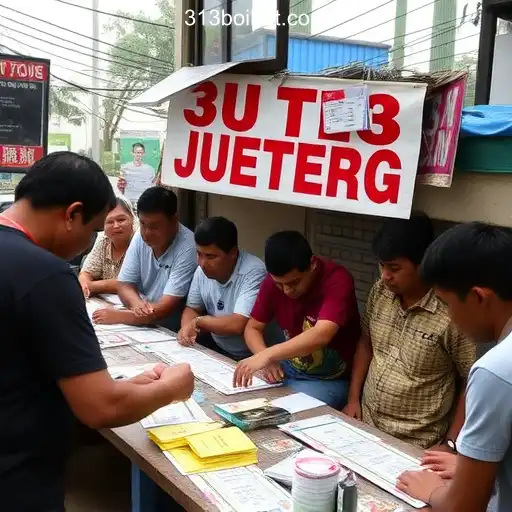
Understanding Jueteng and Its Impact on Society
Jueteng is a widely known illegal numbers game popular in various parts of the Philippines. Its long-standing presence and deep-rooted acceptance among many Filipino communities have made it a persistent issue for law enforcement and government authorities. Although efforts have been made to curb its influence, jueteng continues to thrive, often associated with corruption and underground economies. In this article, we delve into the complexities of jueteng, its societal implications, and the connectivity it has with technological advancements such as the 313 boi bet login - Cassino Premium Licença MGA.
The Origins and Mechanics of Jueteng
Jueteng originated during the Spanish colonial period in the Philippines. It is believed to have been introduced by Chinese immigrants and has evolved into a distinct form of lottery involving betting on a combination of two numbers. The game's enduring popularity can be attributed to its simplicity and the allure of quick, albeit illicit, financial gain.
The mechanics of jueteng are straightforward. Participants select two digits, ranging from 01 to 37, and place bets on these numbers. A draw is then conducted, and those who have bet on the winning combination receive their payout, typically a substantial multiple of their original bet. This simplicity allows even those with limited education to participate easily.
The Social Fabric and Jueteng's Influence
Jueteng has permeated the social fabric of various Filipino communities. The game often operates under the radar of law enforcement, with many people considering it a part of their daily lives. For some, jueteng serves as a source of entertainment and economic opportunity.
The game’s informal economy supports not just the bettors but also includes a network of cobradors (collectors), cabos (field managers), and maintainers (both low-level operators and financiers). This setup resembles a microeconomic ecosystem, providing employment and, in some cases, sustaining livelihoods for those involved.
However, the integration of jueteng into society comes with adverse ramifications. The game has long been linked with corruption, involving government officials and law enforcement officers who turn a blind eye in exchange for a share of the proceeds. This compromises governance and justice, undermining efforts to uphold the rule of law in the country.
Technological Intersections: 313 boi bet login - Cassino Premium Licença MGA
The advent of technology has altered traditional gambling landscapes, with online platforms providing alternatives to an ever-increasing array of betting options. The phrase 313 boi bet login - Cassino Premium Licença MGA references the digital migration of gambling activities. While not directly related to jueteng, it sheds light on the modernization of betting practices.
Online gambling platforms licensed under reputable authorities, such as the Malta Gaming Authority (MGA), offer gamblers opportunities to engage in regulated betting activities. These platforms, although not explicitly promoting illegal gambling like jueteng, represent a shift towards legal and secure gambling for enthusiasts looking for legitimate and safe alternatives.
The digital transformation signals a double-edged sword. On one hand, it offers regulated opportunities and potential curtailing of illegal gambling operations. On the other hand, it poses challenges in monitoring and controlling potential online gambling addictions and ensuring user protection.
Government Efforts and Challenges in Eradicating Jueteng
Efforts to curb the expansion of jueteng have been persistent, yet problematic. Attempts range from outright bans, increased surveillance, arrests, and community intervention programs. Despite these measures, jueteng remains resilient largely due to systemic corruption and the lack of viable economic alternatives for people involved.
Resource constraints also limit the ability of law enforcement agencies to effectively dismantle jueteng operations. The perpetrators often operate within tight-knit communities that offer protection against external interference. Consequently, the problem demands a comprehensive approach beyond mere enforcement, necessitating sustainable socio-economic development plans that offer feasible employment opportunities.
Conclusion: The Path Forward
The fight against jueteng remains an ongoing struggle reflective of broader socio-economic challenges. While technology may offer some solutions through regulated gambling platforms like those associated with the 313 boi bet login - Cassino Premium Licença MGA, addressing the root causes of poverty and lack of institutional trust is essential for significant change.
Creating awareness, fostering transparent governance, and ensuring equal economic opportunities are crucial to mitigating the influence of jueteng. As the nation progresses, multi-sectoral collaboration involving government, private sectors, and civil society will be pivotal in illuminating a path forward where sustainable development negates the need for illicit enterprises.